A hammer is a basic but versatile tool found in every toolbox, used by professionals, carpenters, DIY enthusiasts, construction workers, and apprentices for tasks like woodworking, metal shaping, masonry, and home improvement. Choosing the right type matters because the wrong hammer or material can reduce productivity, cause injury, and create unnecessary wear. With a long, simple design used for centuries, hammers handle jobs from driving nails to crushing spices, and for most people, 2 or 3 hammers are enough for everyday work.
Claw Hammer
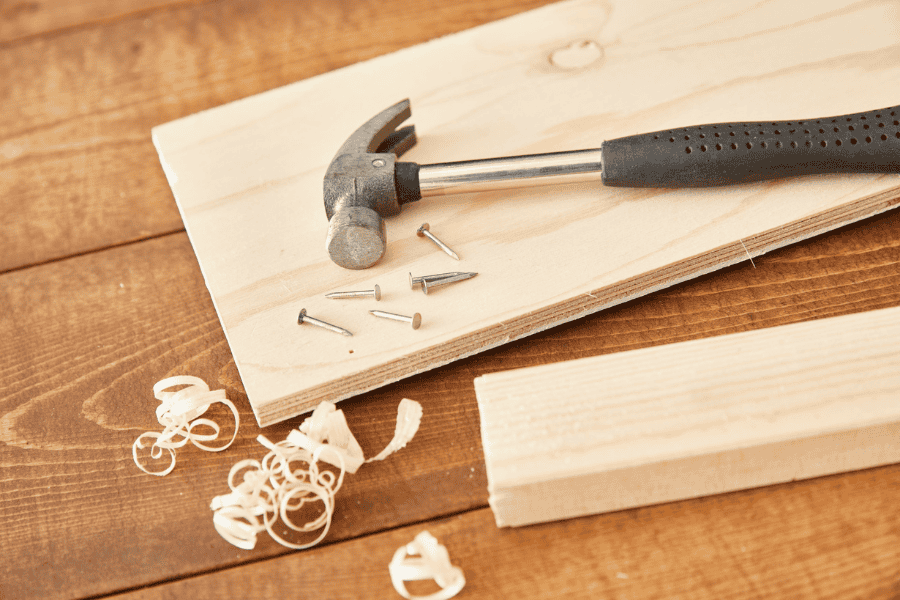
A claw hammer is a standard hammer and the most common type you will find in a tool box or toolbox. It is known as one of the most versatile hammers because it handles many tasks like hammering nails, driving nails, and removing nails. Its dual purpose design includes a metal head with a flat striking surface on one side and a curved claw or two-pronged claw on the other. This curved fork-like structure helps pull nails, pulling nails out, or even pry things apart during general carpentry and construction site work. Many professionals say that a best claw hammer should have a forged steel construction, balanced weight, and an ergonomic handle for prolonged use. In my own workshop experience, a 16 to 20 ounces hammer is perfect for general use, woodworking, and small projects because it feels durable, safe, and efficient.
Claw Hammer Uses
The claw hammer uses go far beyond just driving nails into wood. It can help with furniture assembly, DIY projects, and even light demolition work. The flat side is ideal for pushing nails or tap nail adjustments, while the claw can pull nails, dispose removed nails, or fix a renailed area without damaging surface too much. In busy workshops and shop work, shop workers also use it to tear apart debris, pry things apart, or sometimes destroy things and break things during removal tasks. Some even use it for rough bashing, create indentations, grind objects, or mark markers in materials, though experts advise caution because improper use may cause injury.
Structure and Material
A hard hammer designed for metalworking processes often uses steel or forged steel construction with a blunt spherical head for striking metal surfaces. However, the claw hammer stays focused on hammering tasks like driving nails and easy nail removal. It is considered a standard household tool and one of the essential types of hammers for carpentry. With various weights available, it suits any task at hand, whether at a construction site, workshop, or home projects. Its claw also works as an effective pry bar, making it one of the most versatile and durable tools in any types of hammers collection.
Ball-Peen Hammer
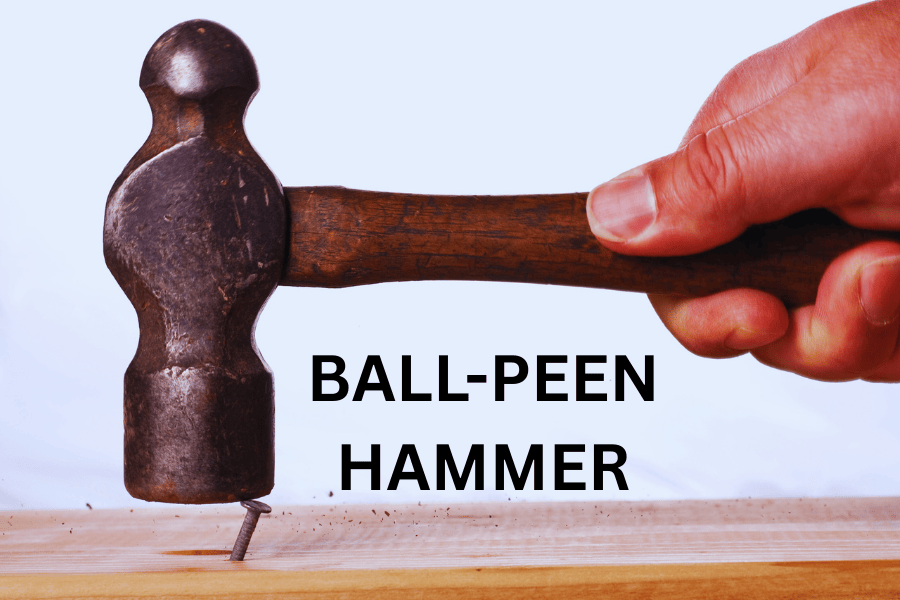
In many engineering workshops, I have seen professionals rely on the ball-peen hammer for metalworking because its flat face and rounded peen are perfect for shaping metal, forming metal, and peening rivets during daily metalworking tasks. This tool is useful for closing rivets, rounding edges, and working on metal pins and fasteners, especially in light metal fabrication where hammer uses in metalwork require precise results without causing damage to sensitive metal surfaces. A good hammer feels durable, comfortable, and balanced in the hand, which helps deliver controlled strikes while shaping metal parts with accuracy, something I have personally noticed after years around mechanical tools and repair work.
Sledge Hammer
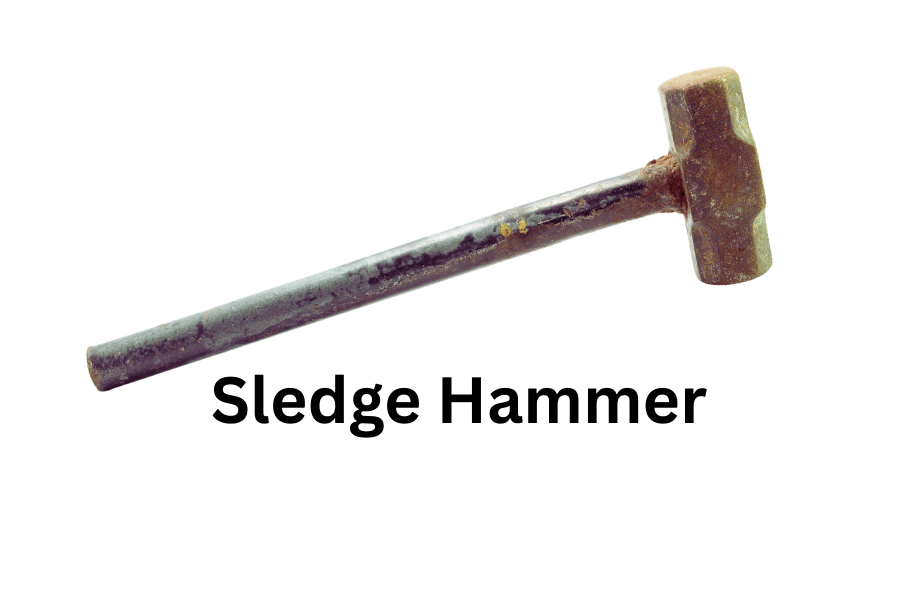
In many construction tasks, a sledgehammer is a heavy-duty tool known for its long handle and large flat head. It is built for demolition and heavy construction, especially for breaking concrete, bricks, and masonry. Among effective types of hammers, high-quality sledgehammers come with a fibre glass handle for durability and reduced vibration, or a wooden handle for a classic grip and better balance. Choosing the right sledgehammer improves efficiency and safety in tough masonry projects. As a tool for various purposes, it is often used for driving stakes and delivering a strong decisive blow.
Compared to a regular hammer, the heavy head of a sledgehammer creates more hitting power when you swing it. It can distribute force over a larger area, which makes it ideal for tough jobs. The longer handle gives extra leverage to drive nails into hard surfaces and handle heavy construction tasks. In my experience working around tools, a sledgehammer feels heavier than club hammers, but the added weight and handle length work together like an axe when breaking stones. This makes it an essential part of any well-equipped workshop.